Turning plastic waste into a ballot
As world leaders negotiate a global plastics treaty, WWF calls on everyone to act. The crisis is massive, but we can all demand that those responsible for the pollution are held accountable.Ahead of the negotiations for a global plastics treaty, WWF needed to raise awareness of a problem that is steadily increasing, and direct attention toward those who can make a real and meaningful difference. The issue has become so large and complex that people may feel powerless to act. But one concrete thing everyone can do is to demand that those who can stop the pollution take greater responsibility.
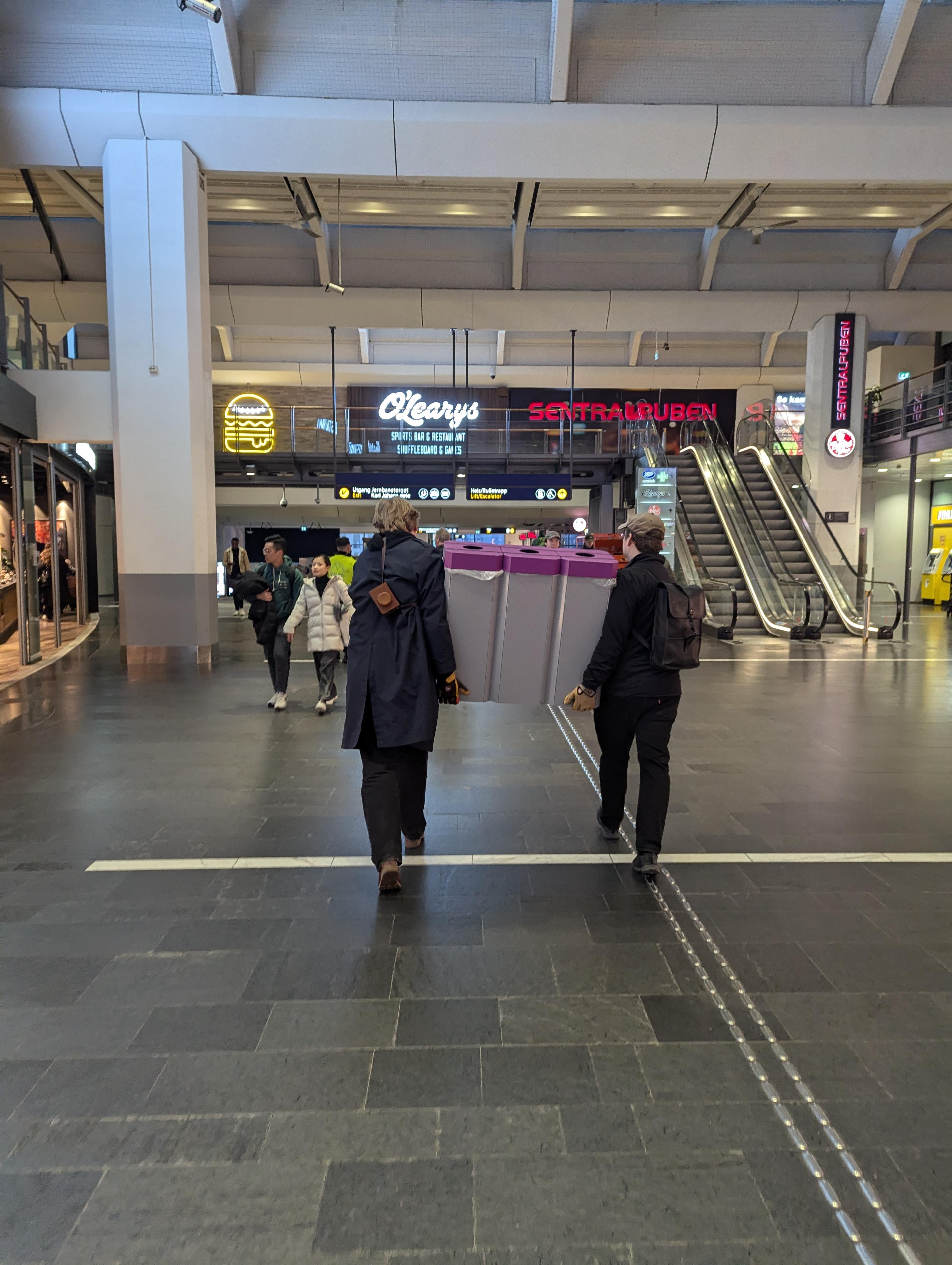
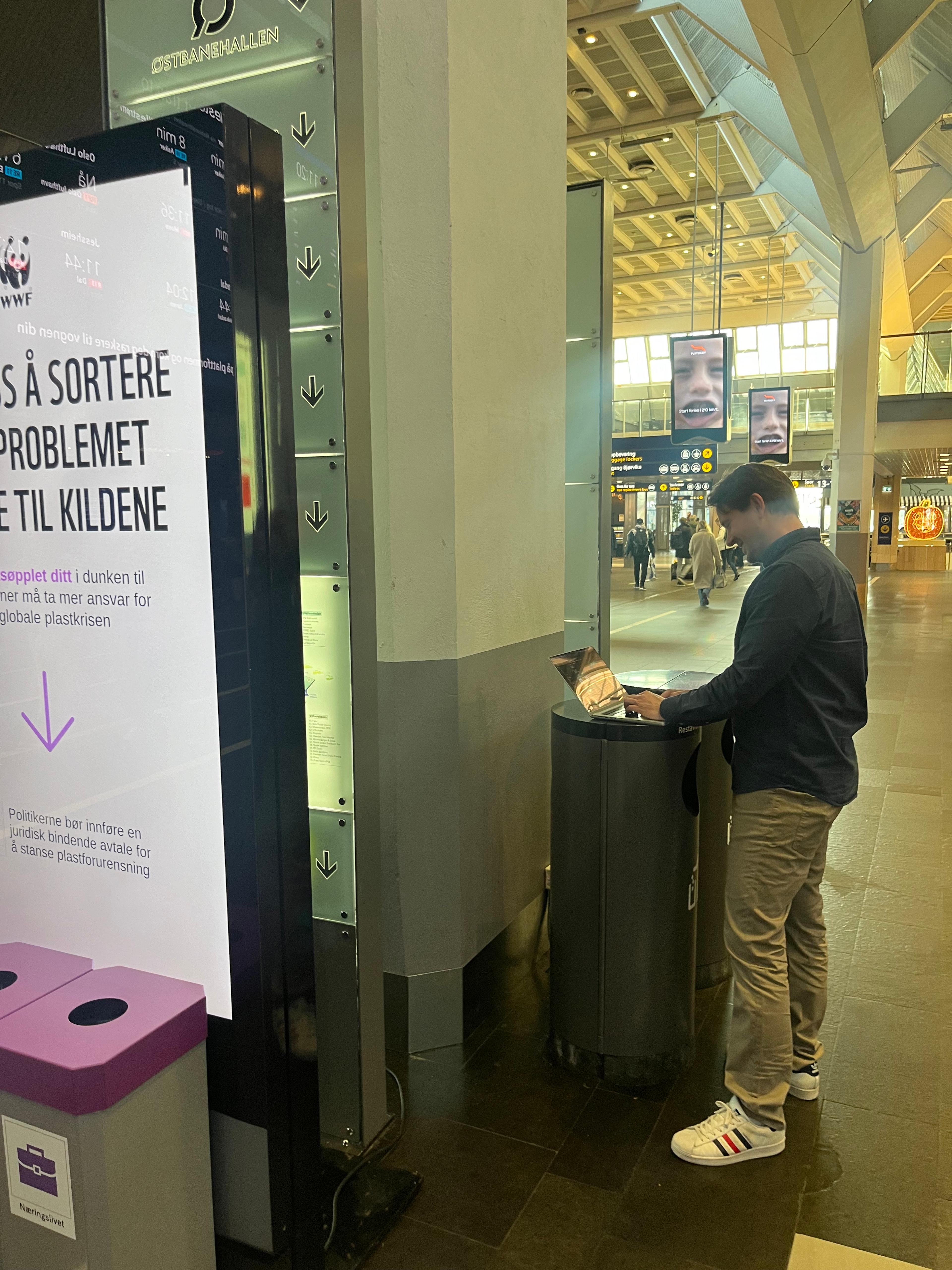
As part of the campaign, we placed interactive trash bins at Norway’s busiest location, allowing people to physically sort their waste to the parties they believe hold the greatest responsibility.
To tackle the growing problem of plastic pollution globally, WWF is focusing on those who can actually make a difference.Ahead of the global plastics treaty negotiations, WWF sought to raise awareness and highlight those with the power to make real change. While the issue can feel overwhelming, everyone can demand greater responsibility from those who can stop the pollution.
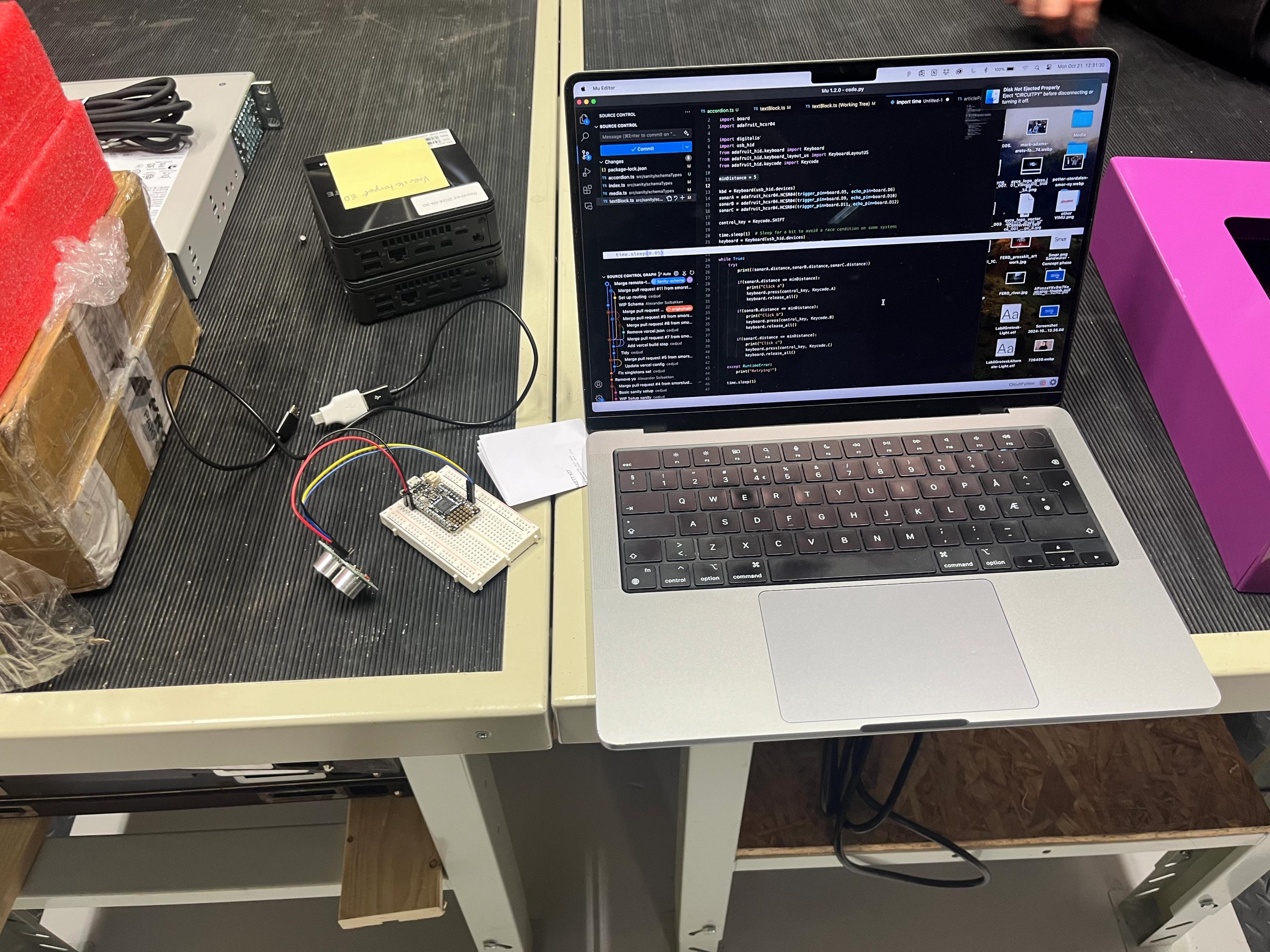
Sonar
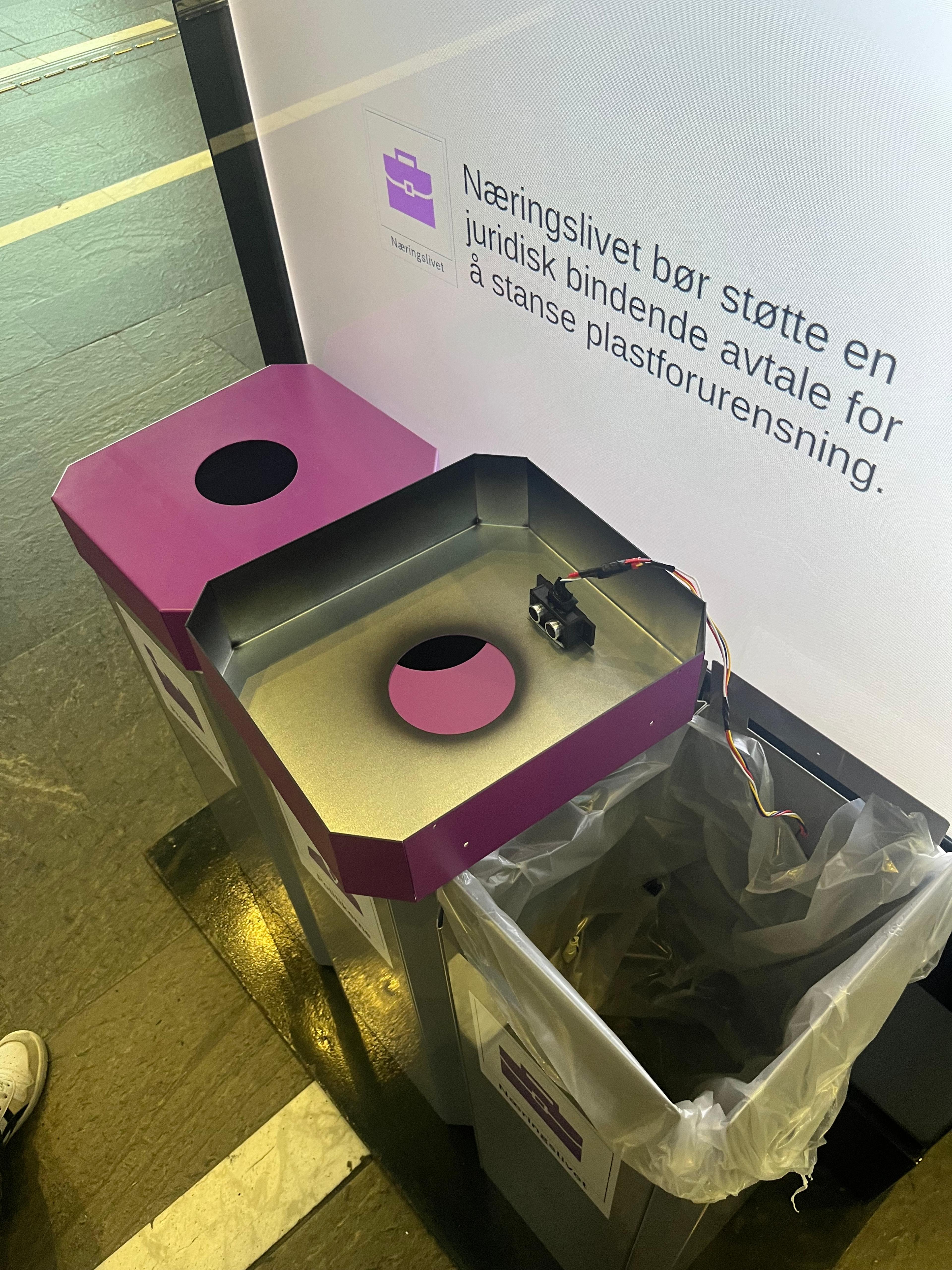
By using sonar sensors, we can detect objects as they pass trough the trashcan. The sensors are protected by a custom 3D printed housing.
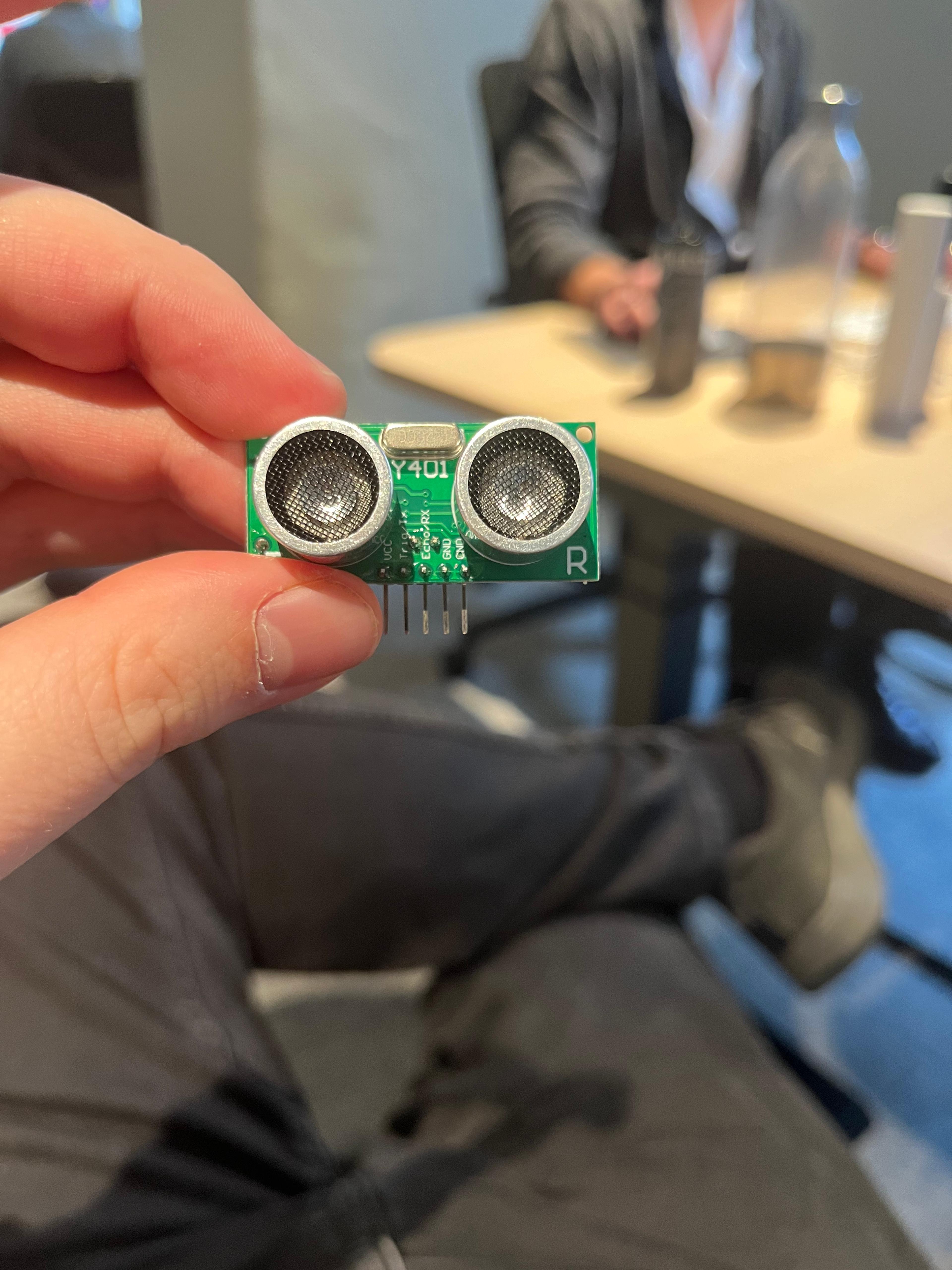
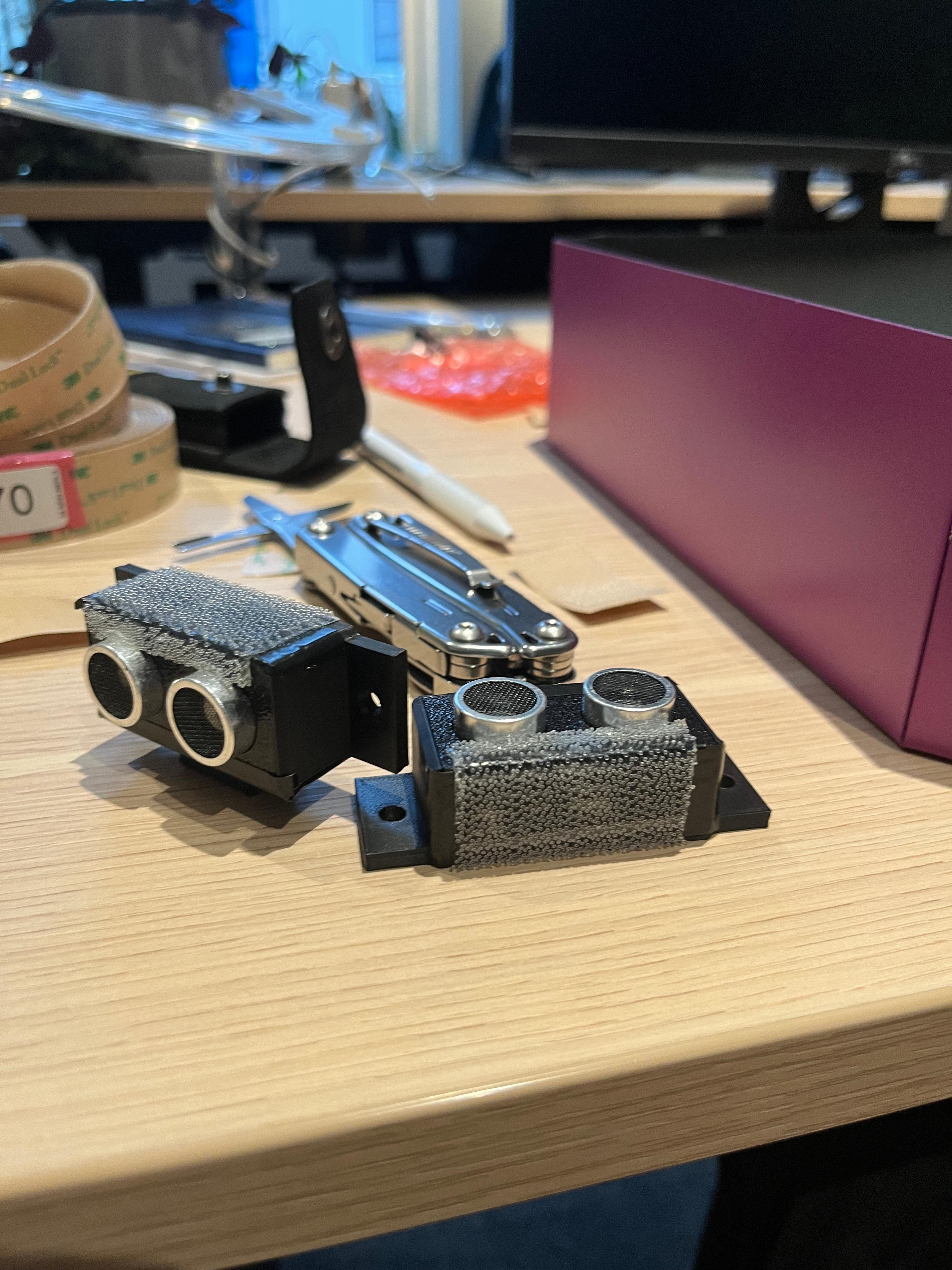
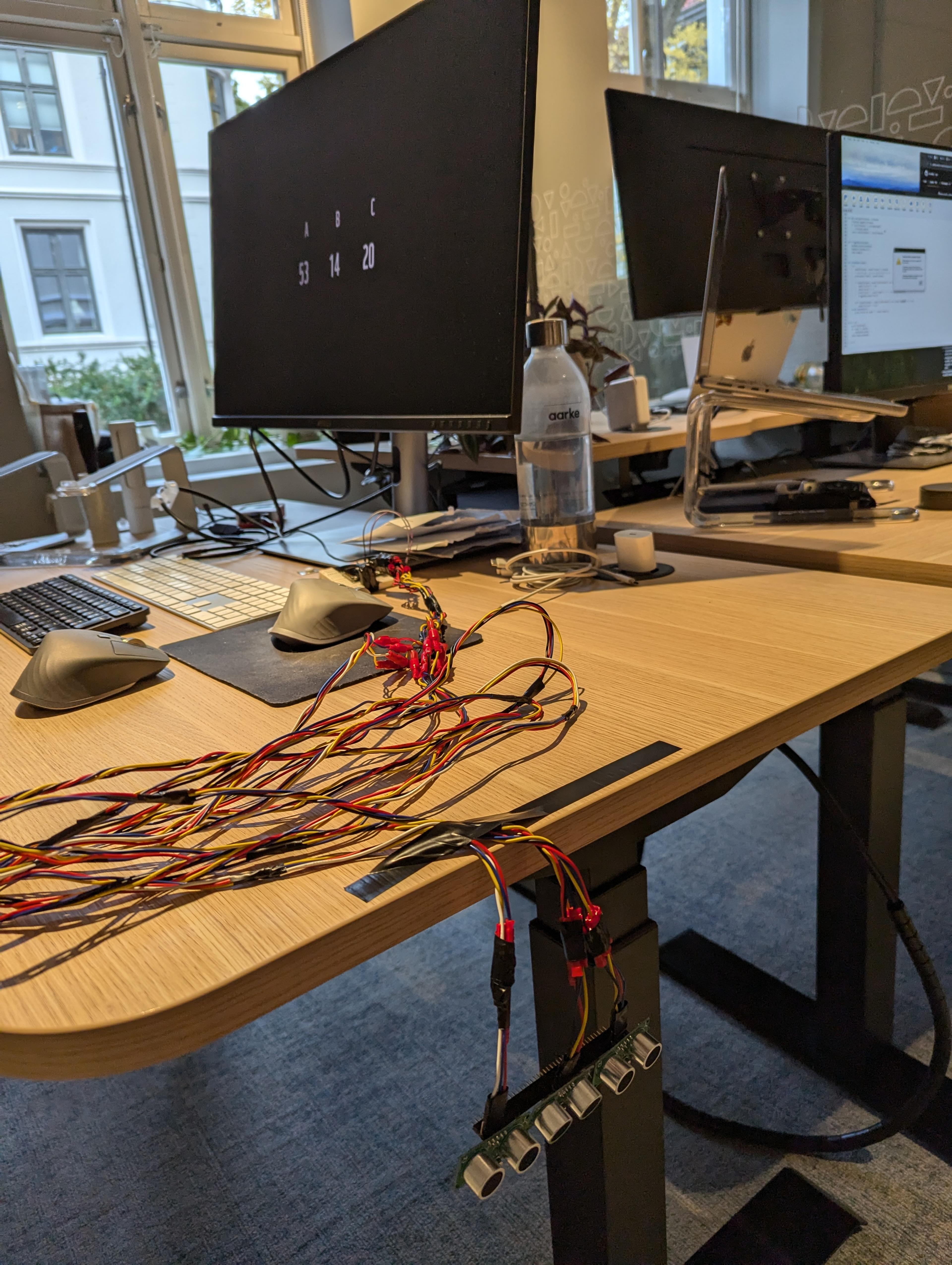
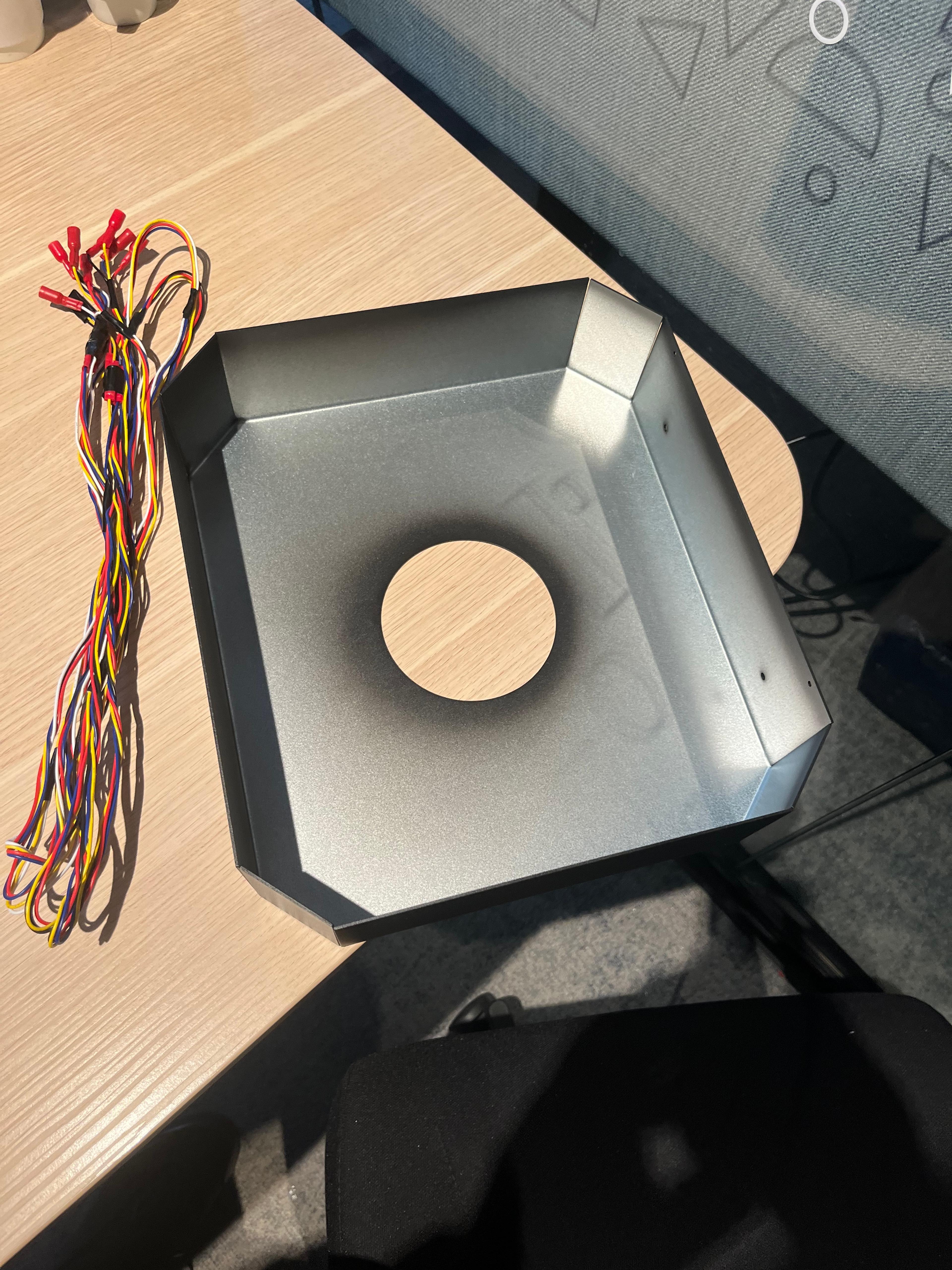
Prototyping
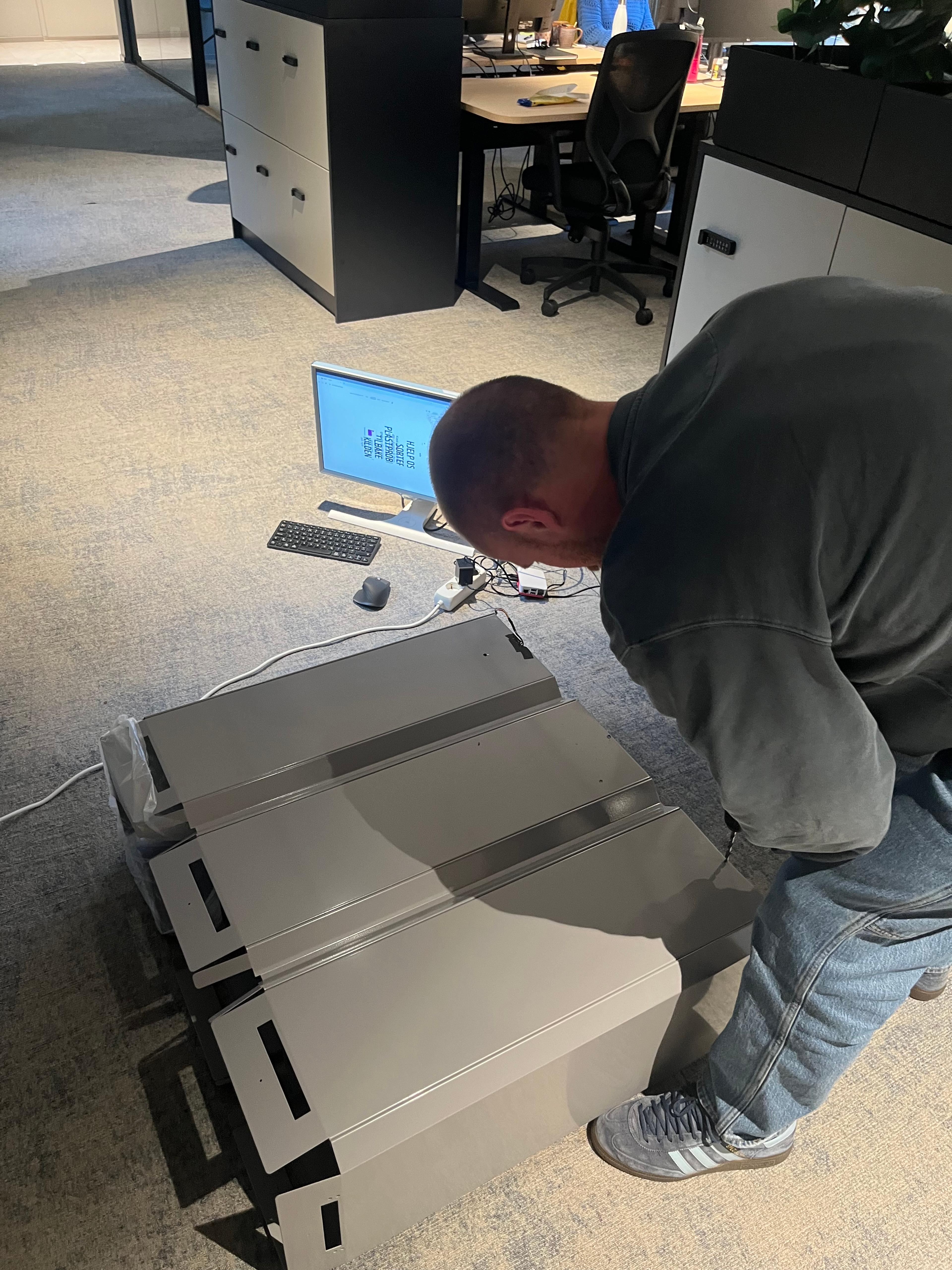
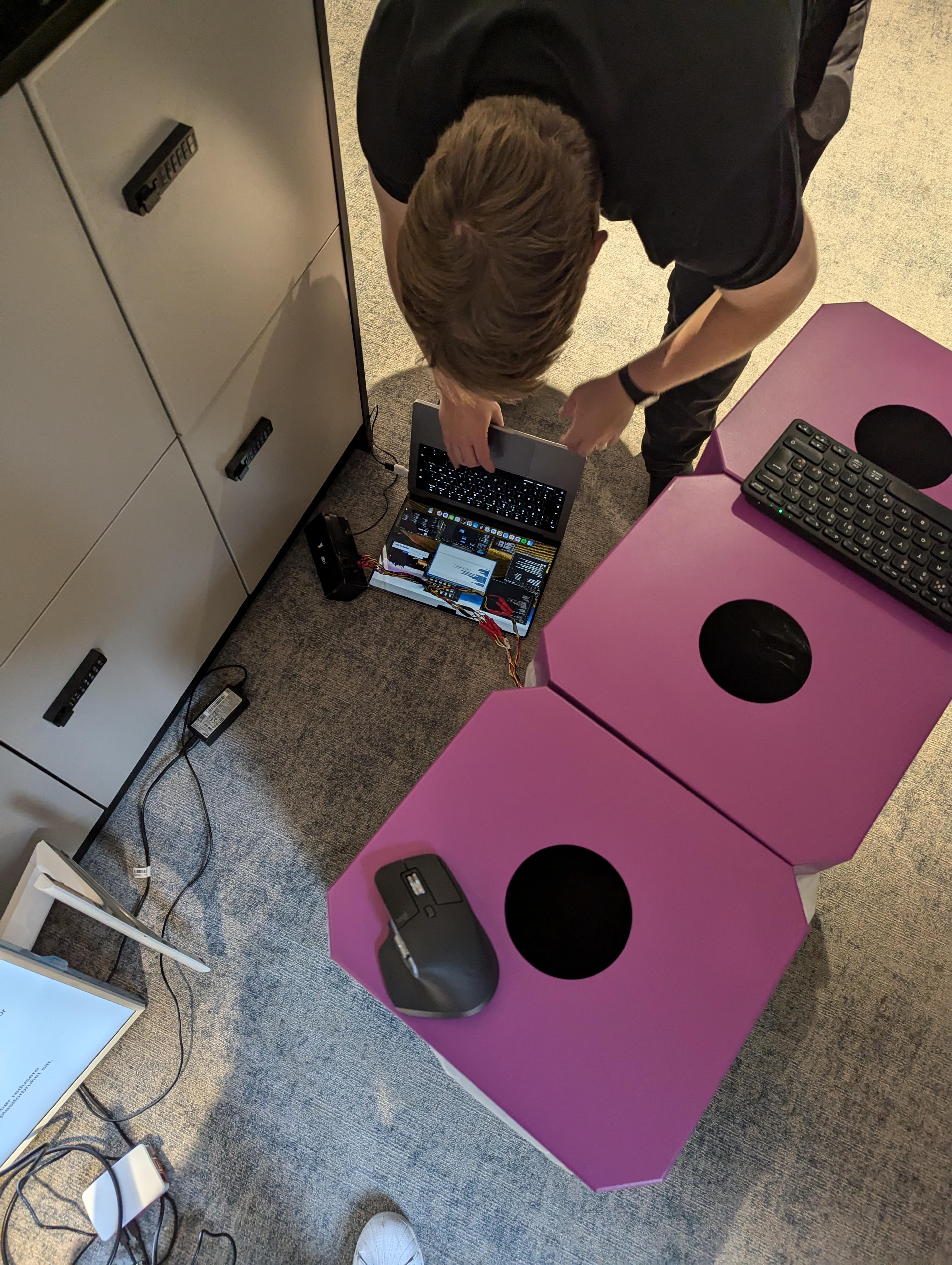
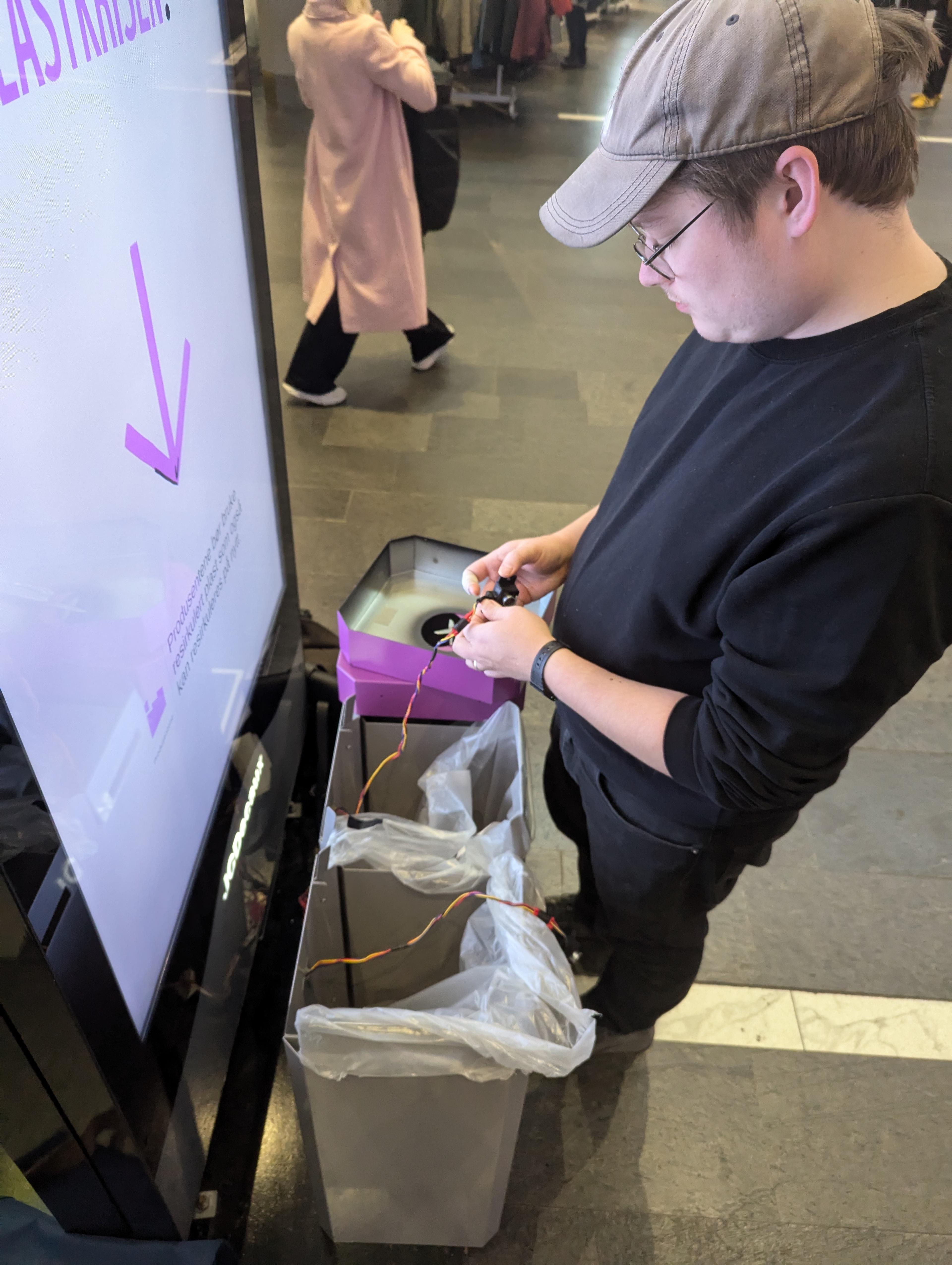
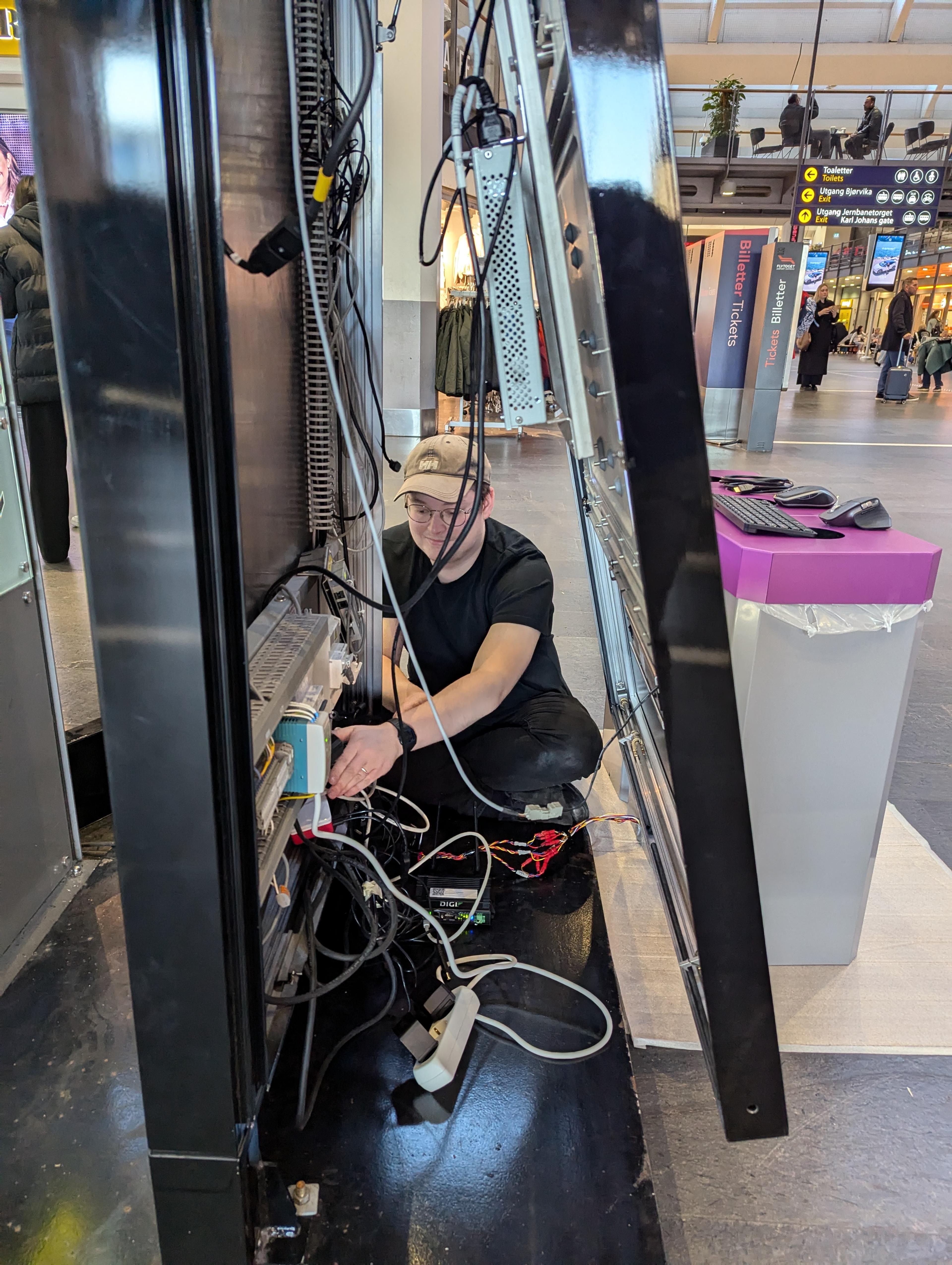
Mounting and assembling the installation ahead of time to test the solution. Including cable routing and calibrating the sensors.
Results
During the two weeks the installation was on display at Oslo Central Station, a total of 2,851 votes were cast in the bins. Politicians received the most votes (1,568), followed by the business sector (693) and producers (590).At the time of writing, the petition for a global plastics treaty has gathered over 40,000 signatures.
Signatures40,000
Trash Votes2,851